

Everyone references. Nothing resonates.
Jam it. Twist it. Strike it.

We live in a world of the re:re:re.
From remix to remake to repetition.
OpenAI recycling Aimé Leon Dore recycling Polo Ralph Lauren.
LV’s take on the Vans Authentic.
Celine’s beat-up “patina” Reebok Classics.
It feels like we’ve run every reference into the ground.
Simon Reynolds popularised the term retromania to describe our obsessive fixation on the cultural past: endlessly refreshing the same archive.
To him, we shifted from pioneers and innovators to curators and archivists.
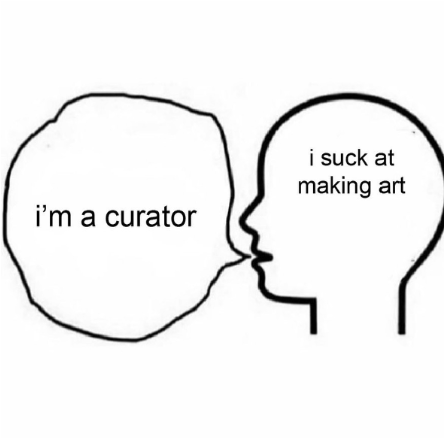
But what, among all this recycling, is actually worth archiving?
As Reynolds puts it, “history needs a dustbin, or history will be a dustbin – a gigantic, sprawling garbage heap.”
The problem is not the reference but thoughtless referencing.
We’re all busy dropping references, but we forget what makes a reference resonate.
To me, the key is looking beyond the canon – not bastardizing what is already popular.
Few understood this better than Virgil Abloh, whose 3% rule was never simply about changing 3%, but about putting 100% of yourself into that change and opening doors between different rooms.
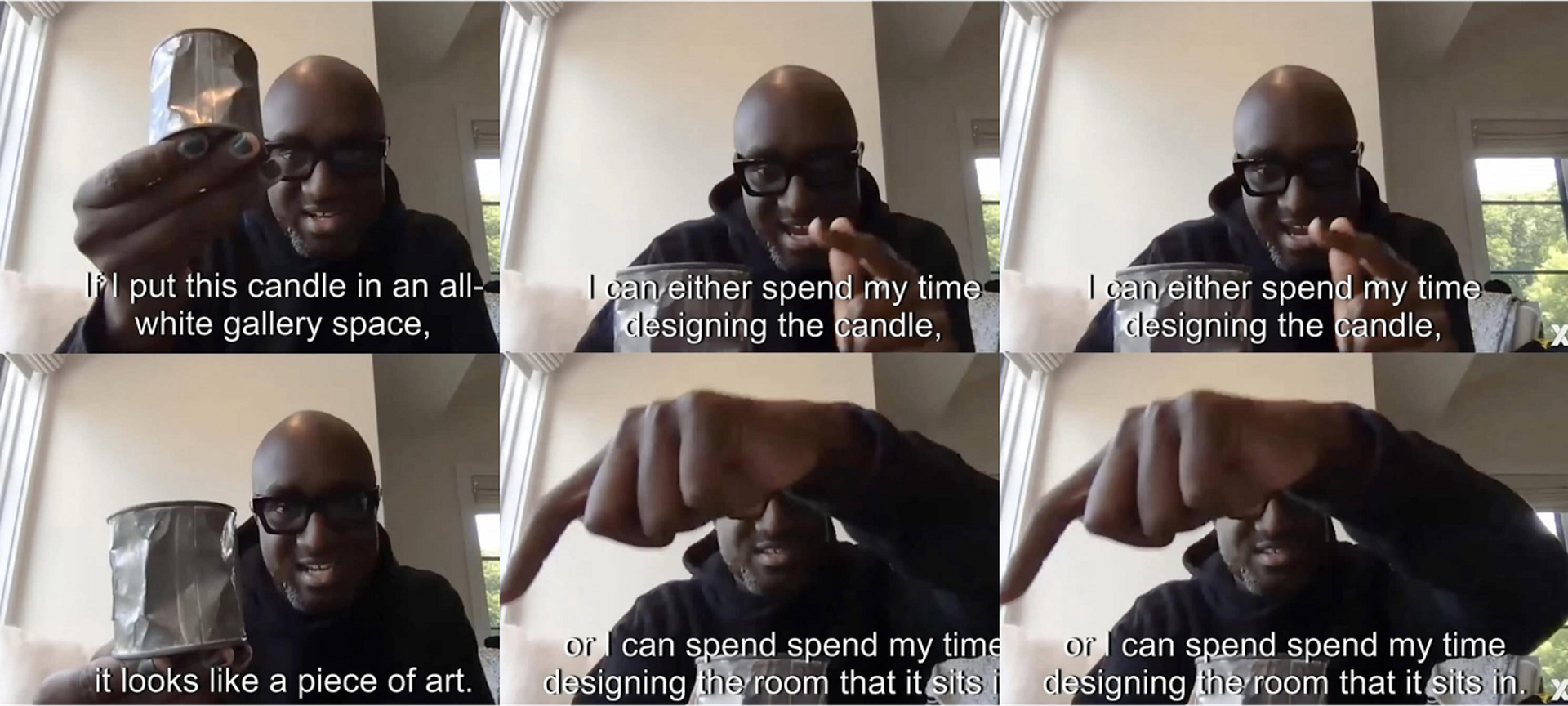
But when people put 3% of themselves into 100% of their output, all we get is a world full of junk.
As Gabriel Yoran argues in The Junkification of the World, the endless pursuit of newness has produced novelty for novelty’s sake – which paradoxically means retromania in disguise.
For Yoran, junk’s defining quality is thoughtlessness disguised as relevance: ‘glitches in the late-night capitalist matrix’.
But how does one separate a glitch from a spark?
The junk from the jam?
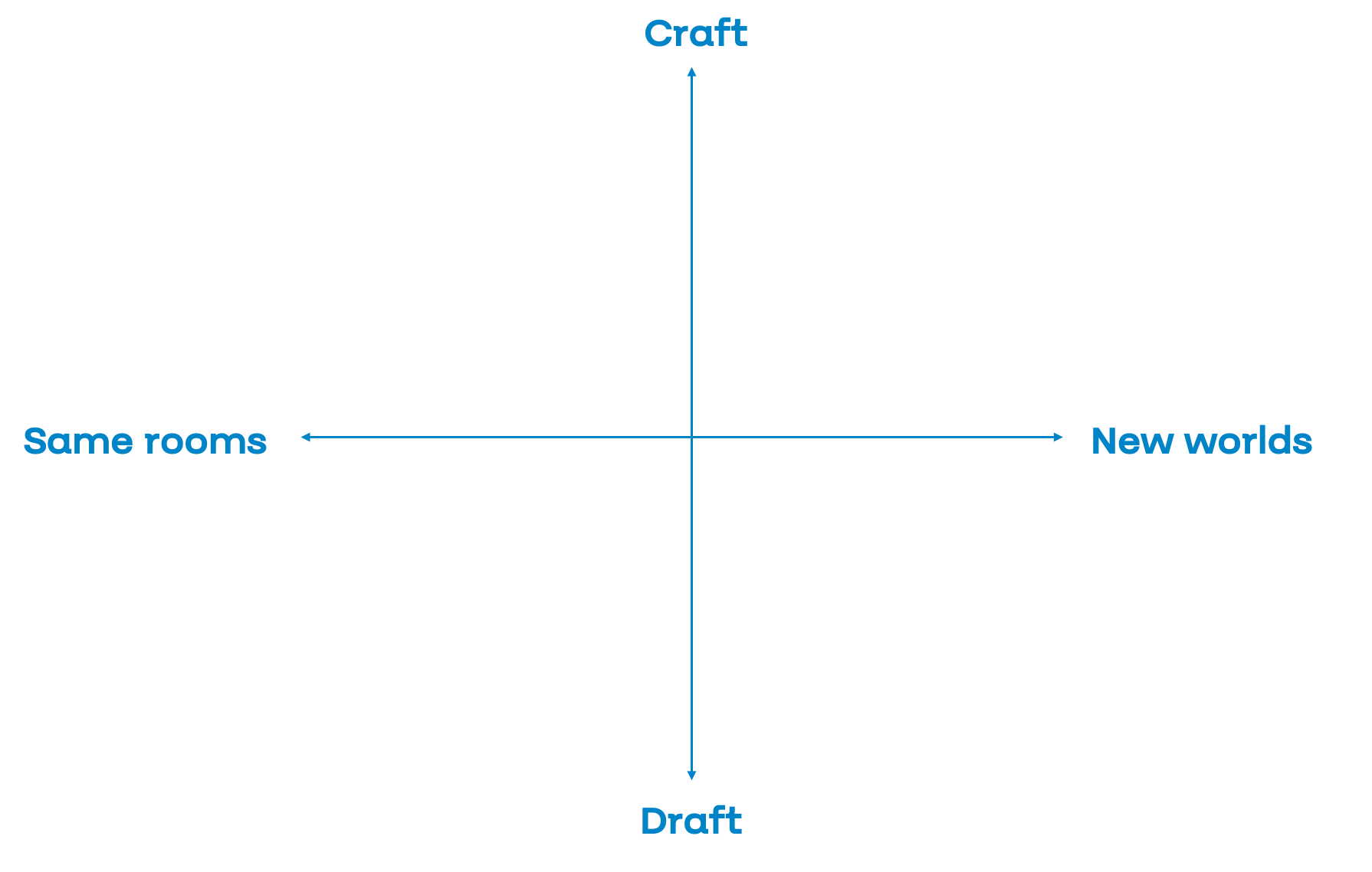
I think there are two tensions at play.
Context: are you staying in the same room, or opening the door?
Craft: are you drafting an idea, or refining it?
Either you go for the readymade or you focus on refinement.
The best do both.


The key to jamming is not simply combining things.
It is creating tension between different contexts.
As Naomi Klein writes in No Logo, culture jamming emerged as a response to mainstream capitalism. It worked by moving familiar symbols into unfamiliar settings, altering what they meant.
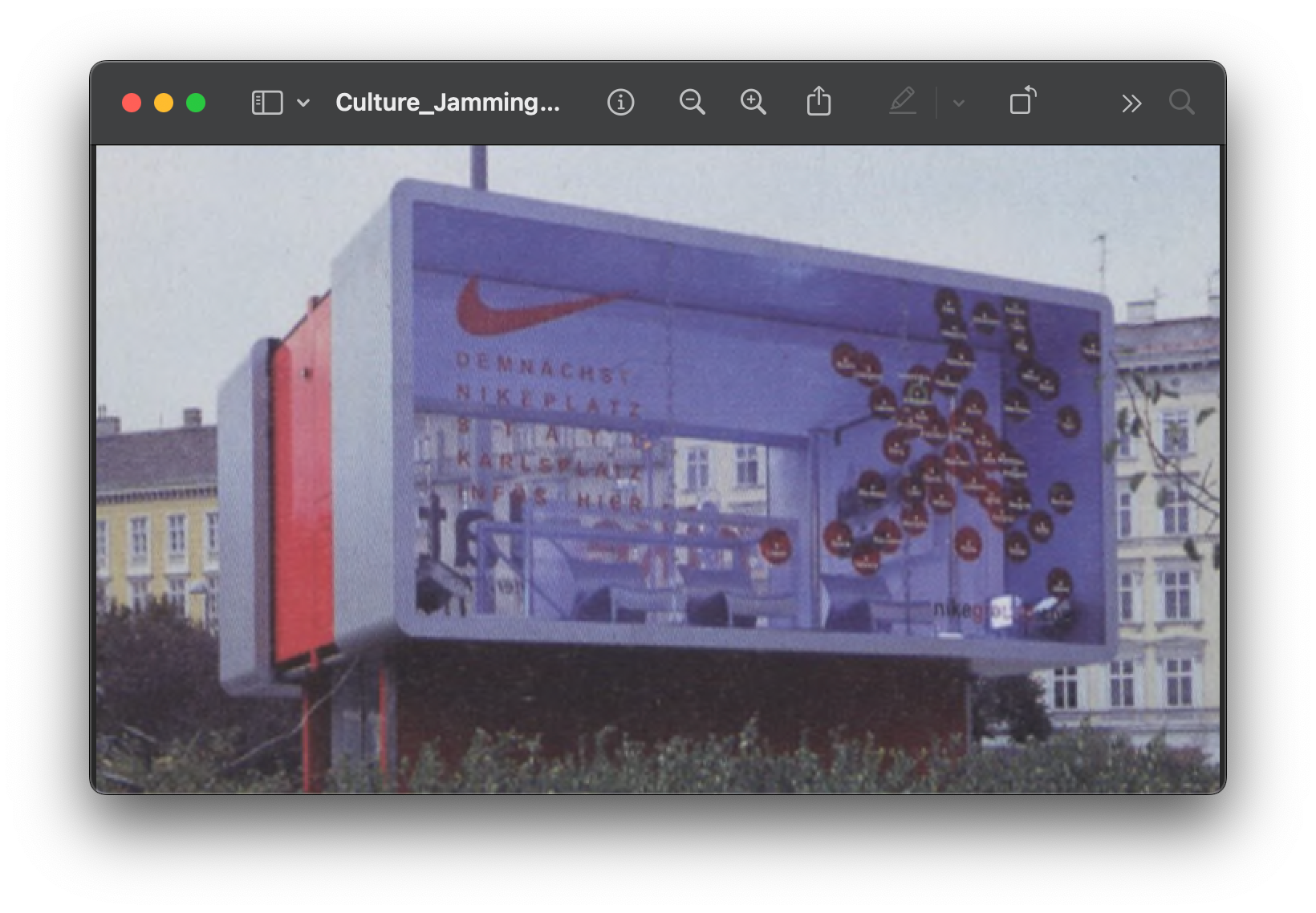
Streetwear often works in the same way.
As Tremaine Emory says in his interview with bidstitch:
“If you put the right thing in the wrong place, or the wrong thing in the right place, it expresses true culture and creates a conversation.”
But today, the lines between right and wrong are blurred.
Streetwear and luxury, sportswear and fashion, art and commerce have merged into one big beige house where every room is furnished by the same Instagram feed.
And as Klein already observed in 1999, we had become “information-numb,” no longer startled by clever juxtapositions alone.
Yet a clash can still create depth.
When I saw Arthur Jafa’s APEX at Louisiana Museum a few weeks ago, its rapid-fire montage of the mundane and the bizarre still left me shook thirteen years after its release.
APEX pulls visuals from different rooms and edits them into one deeply resonant whole.
“It’s all associative. It’s all about relationships,” Jafa says in this talk with the MoMA.
“The whole idea was always, if you take this thing and that thang, and you overlap them, the place in which they overlap is you.”
That’s the point: the relationship between references has to reveal something new.
Maybe so much work falls flat today because it recycles the same references within the same category without making new connections.

In a culture that expects everyone to be a multi-hyphenate, craft is rare.
References are cheap. Craft is hard.
But the cheaper the former, the more you have to push the latter.
You can’t make worlds collide every time.
But when you don’t, you gotta nail the execution.
As Tyler Watamanuk writes in Bigger Than Fashion, part of what made Supreme so compelling was not that its references were especially obscure.
What set the brand apart was the meticulousness with which it traced references back to their source, then reverse-engineered garments to understand how they could be improved.
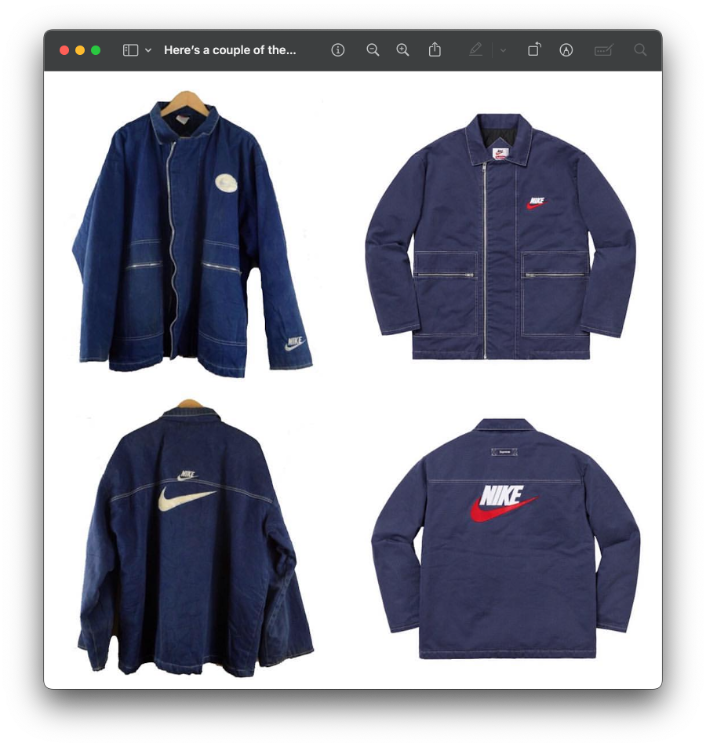
“Supreme referenced the reference.”
What matters is not only who did it first, but who pushed it further.

There are three ways out of a world full of junk:
Jam by connecting different worlds.
Twist by pushing a familiar code further through craft.
Strike by doing both: colliding different worlds and crafting the result into something bigger than the sum of its parts.
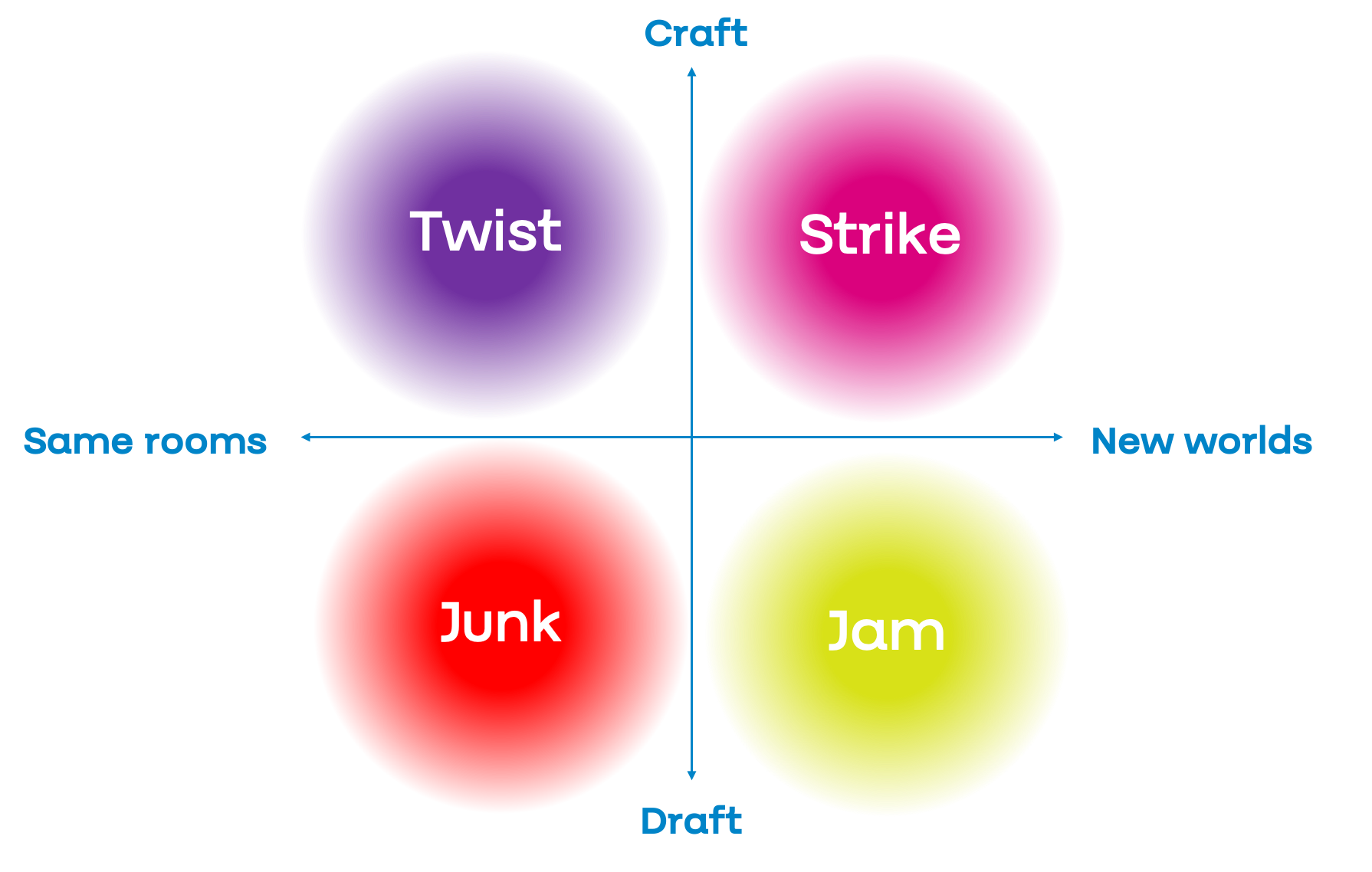
Jamming creates friction just by changing context.
Take the infamous Comme des Fuckdown caps by Russ Karablin of SSUR, worn religiously by A$AP Rocky around 2011 and feverishly reposted on Tumblr. As recounted in Bigger Than Fashion, the bootleg nearly became an official collaboration before Rei Kawakubo reportedly backed out.
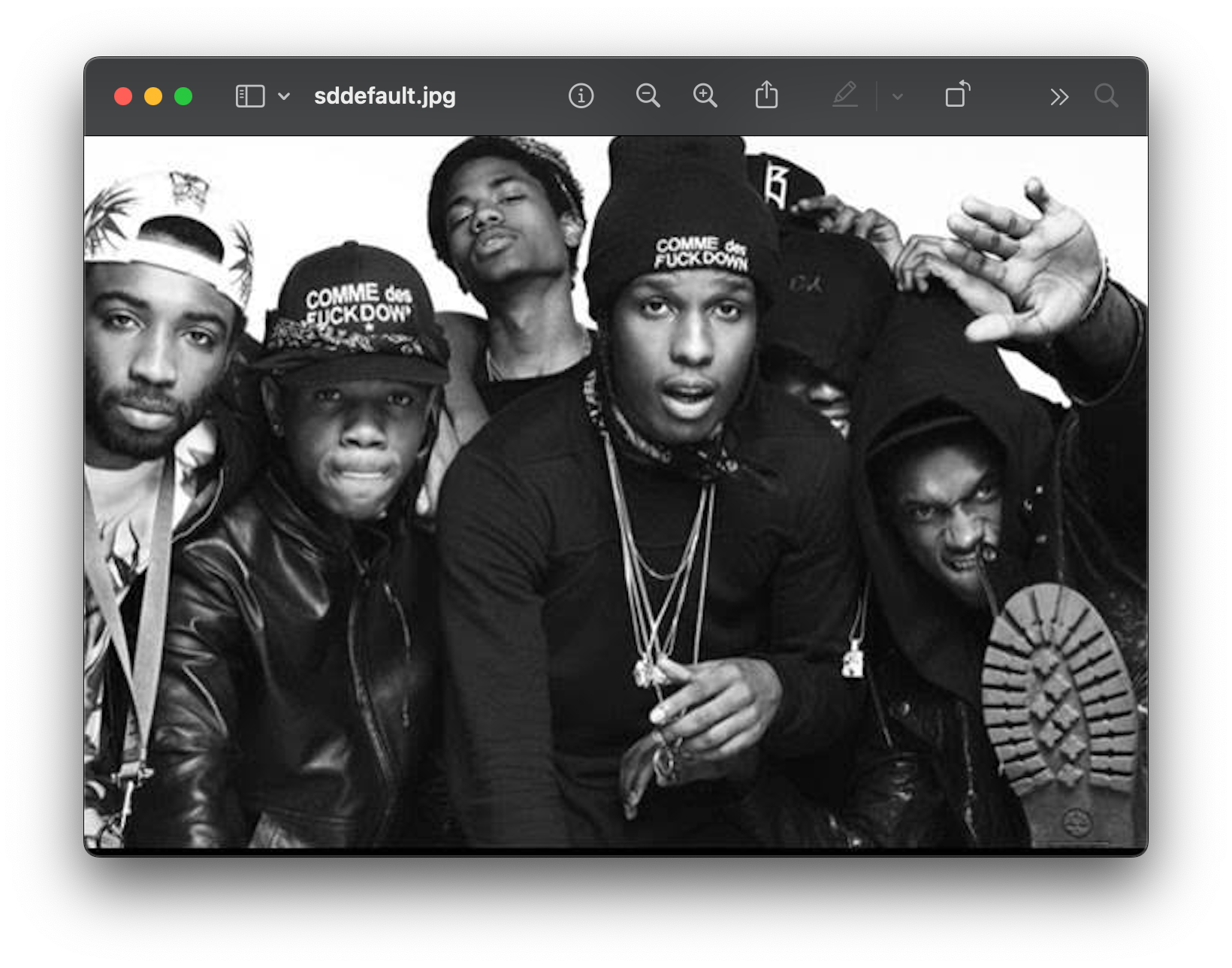
Back then, a perfect jam: streetwear colliding with high fashion.
CdF worked because, in 2012, those worlds still felt distinct. The clash felt real.
When Acne Studios pulls a similar move in 2026, against a backdrop of blurred boundaries, it simply doesn’t hit the same to me. Without a shift in context or a refinement through craft, the gesture just feels a bit empty.
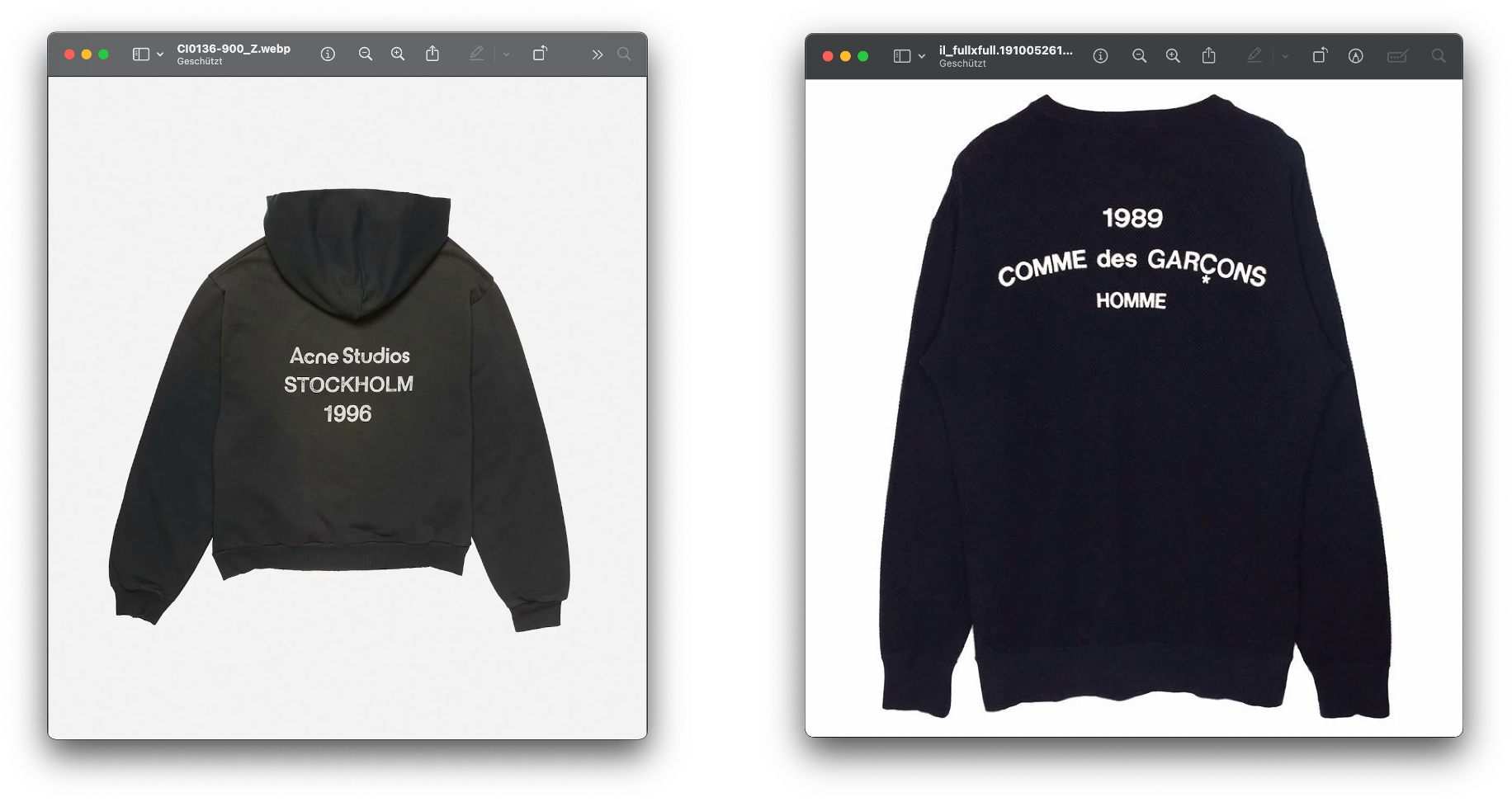
A good jam needs tension.
Without tension, the clash becomes a flop.
Twisting takes something familiar and pushes it to a new level.
It does not try to reinvent the world. It refines an existing code until it feels fresh again.
As artist Ed Fornieles once put it in Kaleidoscope Magazine:
“People are much more willing to interact with the familiar. You’re less likely to let a stranger into your house than someone you recognize. Once inside, though, you can pretty much do what you want.”
The familiar gets people through the door.
Craft is what gives them a reason to stay.
Take Auralee. As I read in Blackbird Spyplane, much of designer Ryota Iwai’s obsession lies in fabric development, texture and colour.
“I like playing with the idea of familiarity, where you have this thing that reminds you of something else you’ve seen before. But how do we do it in a way that’s original? There’s a fleece we made for autumn that’s all silk. It looks familiar, but there’s a unique method of making it.”
Similarly, I love Diemme’s take on early 2000s Prada silhouettes – not because the design itself is particularly groundbreaking, but because it makes an iconic shape wearable again, at a time when most of the originals left on Vinted come with crumbling soles.
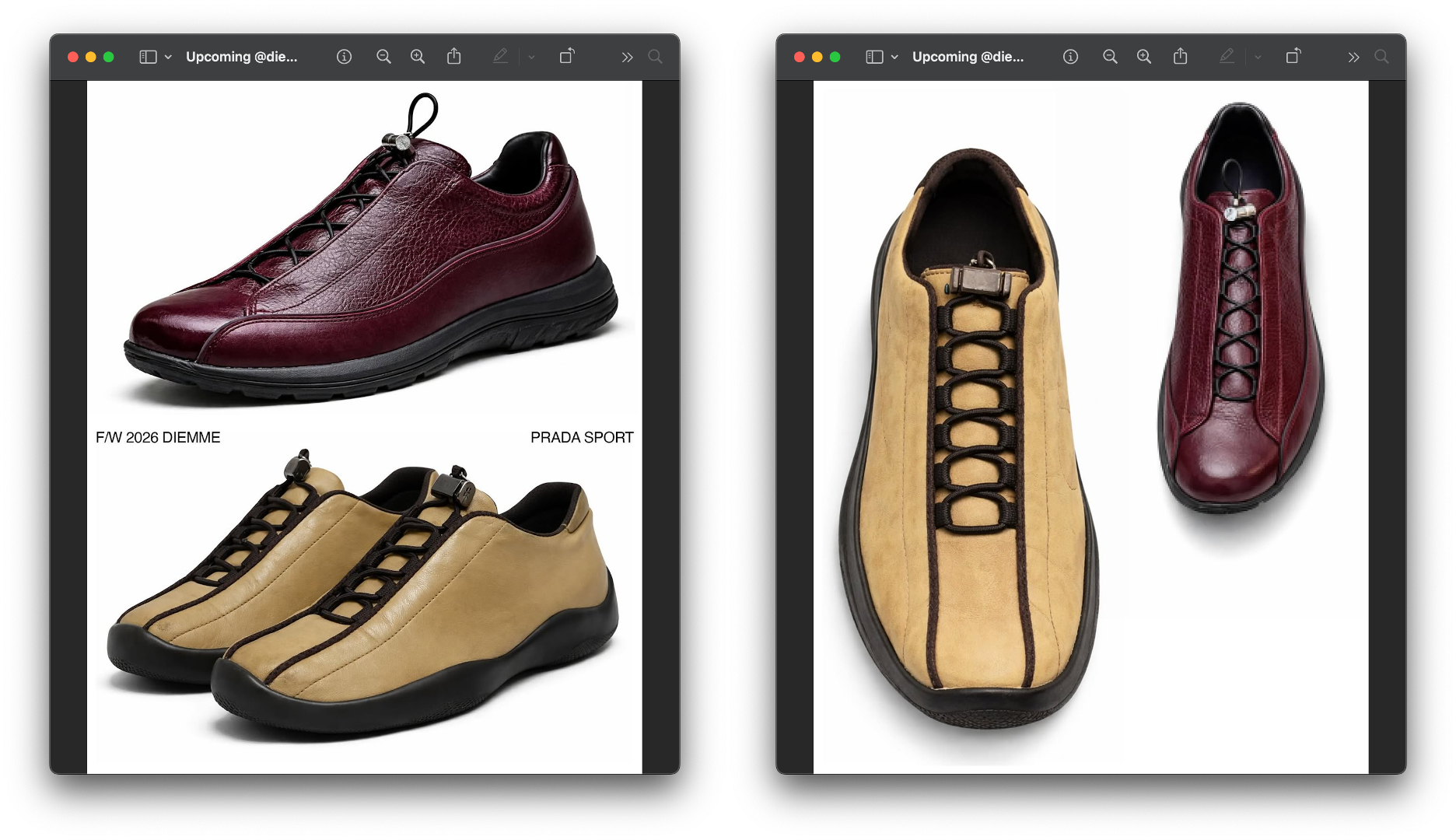
Striking combines new context with exceptional craft.
It’s the holy grail of referencing: absorbing influences so completely that the output becomes a reference in itself.
Take Raf Simons’ Consumed collection.
It collided underground youth codes with high fashion, Peter De Potter’s mixed-media imagery and Ashley Bickerton’s language of logos.
But it did not simply place these references beside one another. It absorbed them into a multifaceted visual world whose layers are still being uncovered– for example on the Hellish Materials Substack.
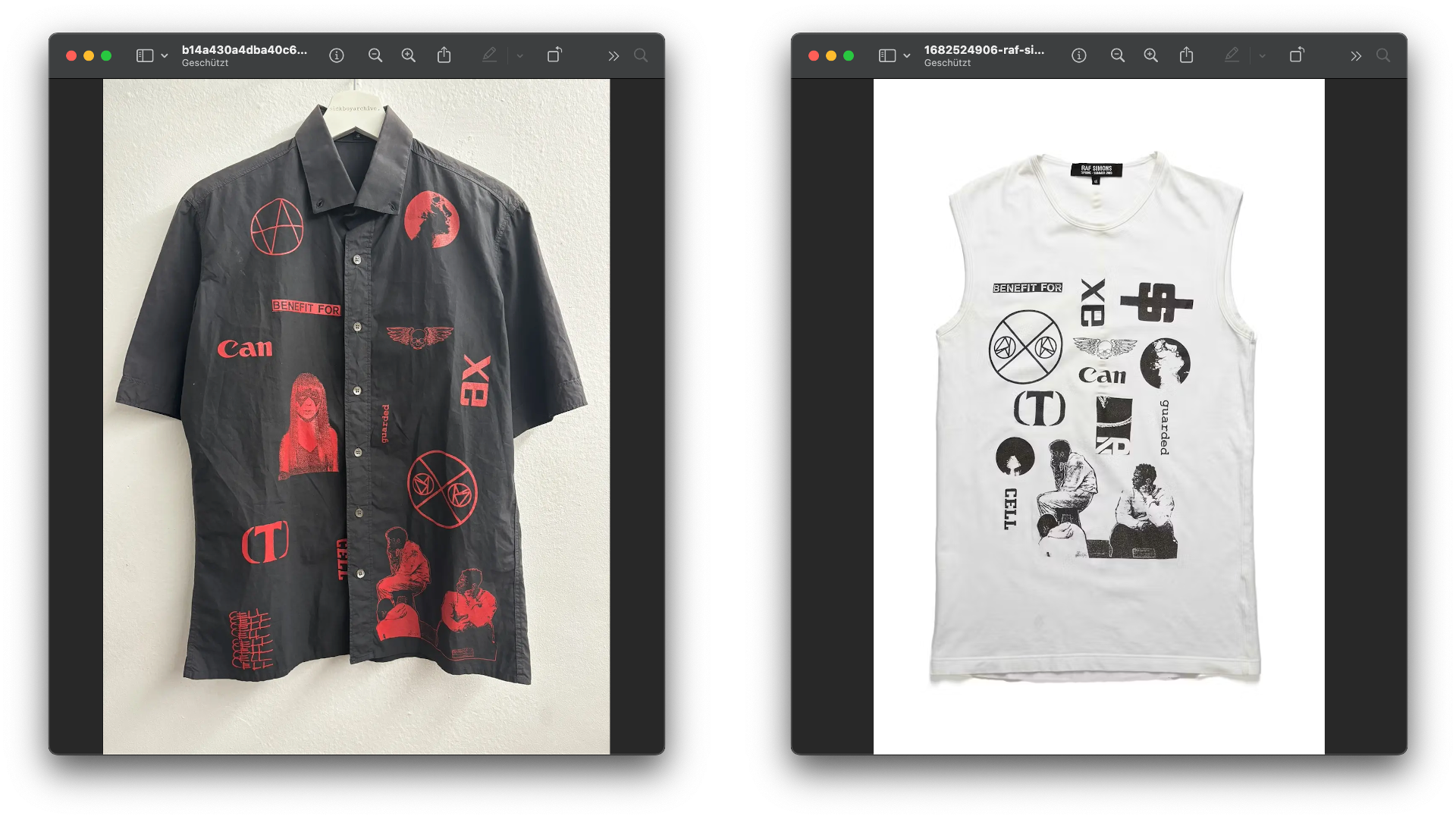
There is a reason it is our fav designer’s fav collection and still lives on mood boards decades later.
Or take Grace Wales Bonner, whose work brings precise tailoring into dialogue with deep research into Black Atlantic histories, music and spirituality.
“Research is the practice, research is the work,” as the Popular Substack puts it: “building a collection of perspectives so the thing can’t collapse into a single, neat narrative.”
In both, the references are so eclectic they add up to more than the sum of their parts.

Nobody creates from nothing.
A rough idea can still feel new when it opens a door between distinct worlds.
A familiar idea can still matter when it is executed with craft.
Things fall flat once neither happens – when the reference stays in the same room and the execution is shallow.
Leave the room, or make it stunning.

If you need help separating the jam from the junk – or finding the right balance between a twist and a strike – I’m available for projects across cultural research, brand strategy and editorial thinking.
My work spans insight generation, audits, positioning and narrative development.
Check out my profile here.

If you want to take a look at the unhinged research cosmos, click here.
I also made a playlist called Substanz Selekt, because why not: music for all things Euro summer and Lime-biking. Feel free to check it out :)
I also shared some thoughts on the Mensweird Substack the other day about the myth of cultural relevance – and what it really comes down to to me.

Michael also reminded me to get the Bigger Than Fashion book in the comments under my Fashion got enshittified essay. I ordered it from the US (forgive the footprint), and it was worth every day of the wait. Great breakdown of how streetwear created an entire language through jams and twists rather than strikes.
If you liked this one, you might also enjoy a Substack I wrote earlier this year about the Mood Loop across content and mood boards. The Mood Loop is how we got here; Junk vs Jam is how we shift through the junk ;)

Danke!
Love the idea of jamming!!! Will defo be using it. As always thanks for sharing
I absolutely love this. The urge to run after novelty make us create for novelty sake rather than bring a new perspective to the world